
 K4
K4 K5
K5Best Outboard Motors in 2026: Gas vs Electric (For Boats & Kayaks)
The Ultimate Guide to the Best Outboard Motors: Choosing the Right Power for Your Hull
Outboard motors in 2026 are no longer a single-category purchase. The market has split into two very different realities:
-
Heavy-duty transom outboards built for boats that need sustained horsepower.
-
Portable electric propulsion designed for people who value quiet, low maintenance, and quick setup.
Before you buy a 50 lb “beast,” ask a better question:
Do you need raw horsepower—or portable efficiency that matches a kayak/SUP lifestyle?
This guide compares gas vs electric outboards for boats and kayaks, then zooms in on the fastest-growing segment inside this keyword: small, lightweight power for kayak anglers and SUP users—where the best solution often isn’t a traditional outboard at all.
Top Heavy-Duty Outboards for Large Vessels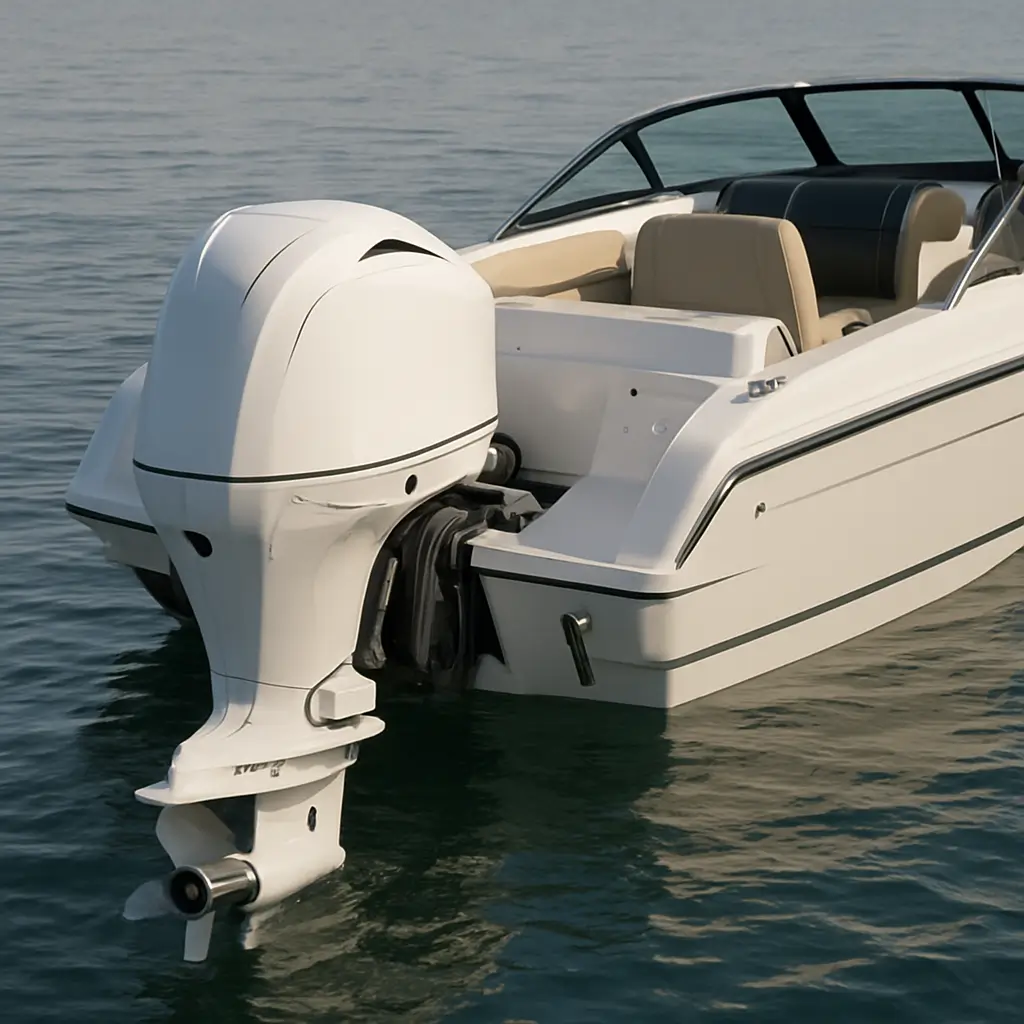
If you run a bass boat, skiff, or a larger hull that truly needs an outboard, gas still dominates for one reason: range under load. For long runs, heavy chop, or consistently moving a heavier boat, small portable electrics can struggle.
Mercury FourStroke (Best for Bass Boats)
Best for: anglers running longer distances and carrying gear loadouts
Why it wins: proven reliability, broad dealer support, strong throttle response
Tradeoffs: noise, fuel, scheduled maintenance, and the practical reality that this is a transom-mounted system with weight and rigging considerations.
Yamaha F25 (Best Portable Gas)
Best for: boaters who want a smaller portable gas outboard but still need dependable range
Why it wins: strong performance in the “portable gas” class, solid reputation
Tradeoffs: still heavier and louder than most electric setups, and it’s still a transom solution with mounting and transport friction.
The pivot point:
For boats, the above are sensible options.
For kayaks and SUPs, they’re often the wrong tool—because the cost isn’t just money. It’s weight, balance, installation complexity, and day-to-day hassle.
Best Electric Outboard Motors
Electric outboards are the modern standard for quiet, clean boating—especially on smaller crafts like dinghies, tenders, and short-range setups.
Torqeedo Travel (Best for Dinghies)
Best for: dinghies/tenders, short runs, quiet marinas, eco-sensitive waters
Why it wins: mature electric ecosystem, clean design, user-friendly experience
Tradeoffs for kayak/SUP anglers: even the “portable” category can feel bulky once you add battery weight, mounts, and storage. Price can also climb quickly.
Reality check for anglers:
Electric outboards solve emissions and noise. They do not automatically solve the kayak/SUP problem: you still end up with a transom-style motor package that can add weight to one end of your craft and change the way it handles.
The “No-Drill” Alternative: Electric Fins for Kayaks & SUPs
This is where the keyword gets interesting. A large portion of people searching “best outboard motor” are not shopping for 300HP. They’re really searching for one thing:
“I want power on the water without turning my kayak/SUP into a heavy, awkward project.”
For kayak anglers and SUP users, the traditional “bolt-on” approach often creates new problems:
-
Center of gravity shifts (stern-heavy handling, worse tracking)
-
The Mounting Tax (brackets, drilling, transom hardware, and the time you pay every trip)
-
Transport/storage pain (motor + battery + mount becomes a full kit)
-
Noise and vibration (especially when you’re trying not to spook fish)
If you care about stealth, handling, and fast deployment, the best “outboard” solution may be a fin-based propulsion system instead of a transom motor.
Tedgix K4: The Best Lightweight Propulsion for Anglers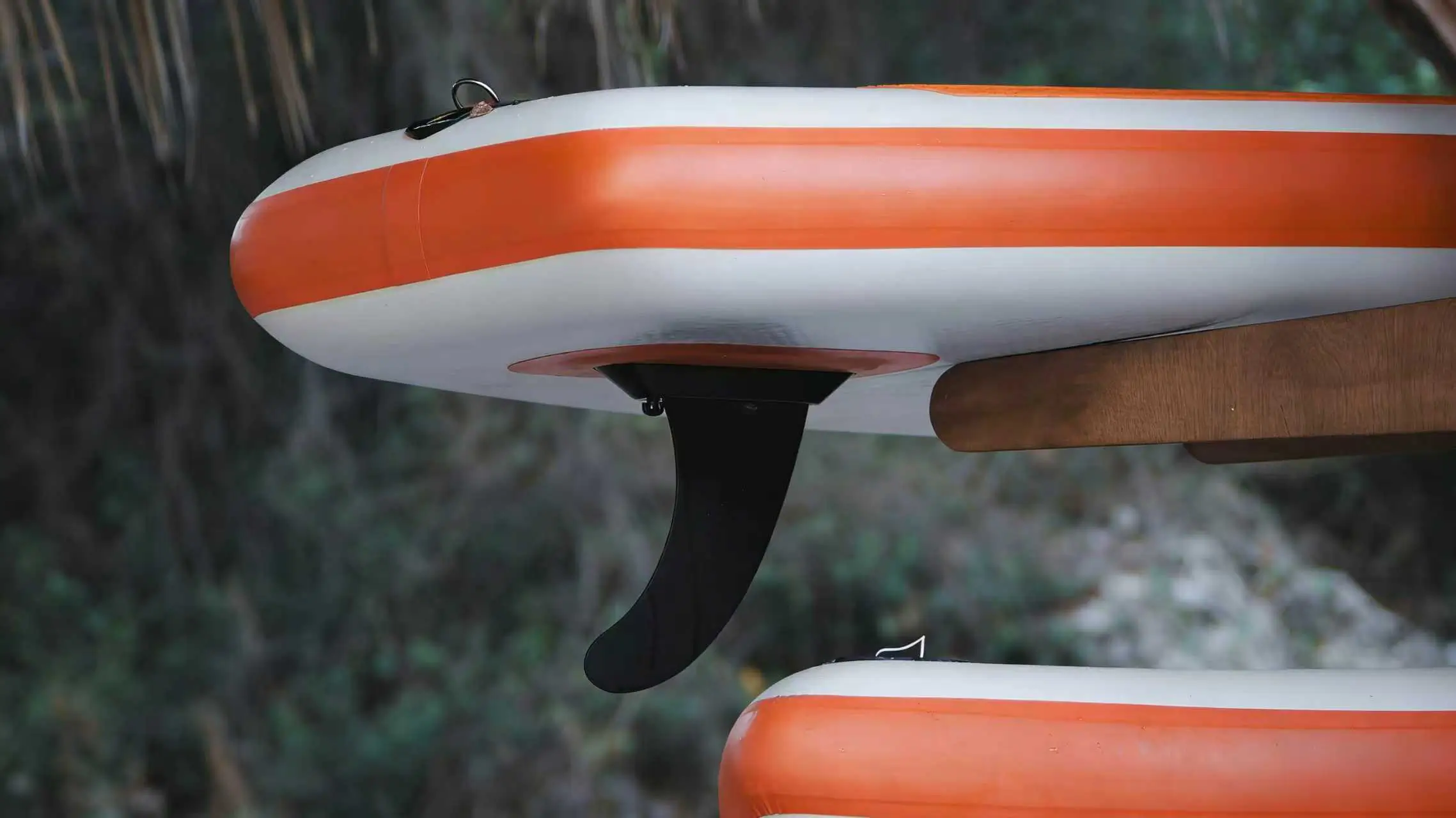
Tedgix K4 is not trying to be a mini-Yamaha. It’s built around a different idea:
Replace the fin, not the stern.
Positioning: Ultra-compact electric fin propulsion for lightweight craft—especially kayaks and SUPs where balance, drag, and fast setup matter.
Why it wins for kayak anglers and SUP enthusiasts:
-
Slide-in installation: designed for a clean, fast setup without turning your craft into a hardware project.
The point isn’t “easier installation.” The point is less commitment—install, remove, travel, repeat. -
Auto-Steering: For anglers, this acts like a virtual pair of hands.
It automatically fights the wind and current to keep your course straight, so you can focus on casting and reeling in fish, not correcting your paddle. -
Stealth utility: a fin-based system keeps the setup quieter and less intrusive—useful when you’re working structure, shallow water, or pressured fish.
What this changes in practice:
Instead of paying the Mounting Tax (brackets, drilling, stern weight), you’re using a propulsion form factor that matches how kayak/SUP anglers actually operate: portable, quick, and clean.
Buying Guide: Gas vs. Electric vs. Fin Systems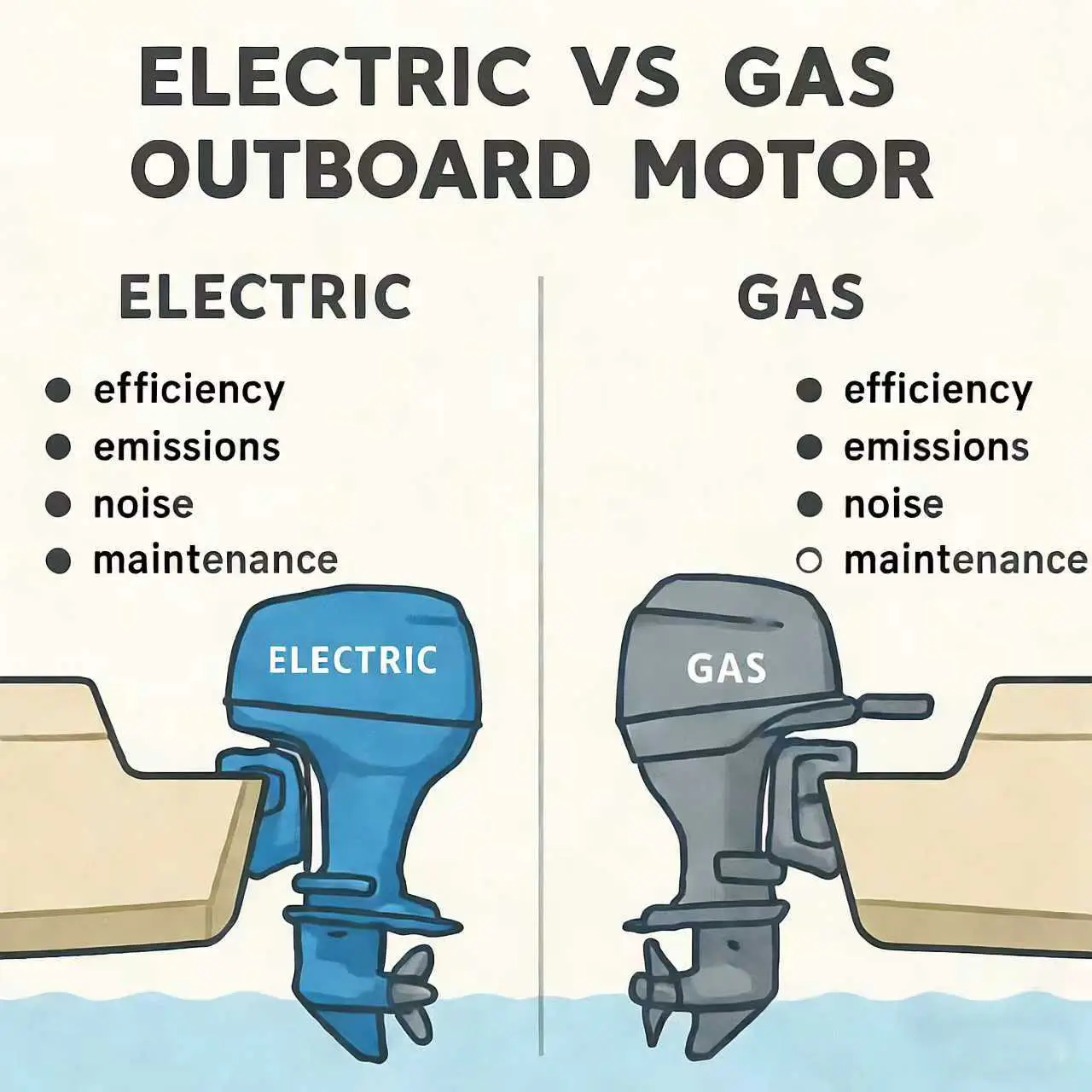
The fastest way to choose is to compare the costs you’ll live with every trip: weight, noise, setup, and maintenance.
Quick Comparison Table
| Category | Best For | Weight & Portability | Noise | Installation | Maintenance |
|---|---|---|---|---|---|
| Gas Outboard | Boats needing range & sustained power | Heavier, fuel storage | Loudest | ❌ Hard (Drilling / Transom) | Highest |
| Electric Outboard | Dinghies/tenders, short clean runs | Motor + battery kit | Quiet | ⚠️ Medium (Mount + Battery) | Low |
| Electric Fin System (Tedgix K4) | Kayak/SUP anglers prioritizing balance & simplicity | Ultra-compact form factor | Very quiet | ✅ 3-sec Slide-in | Low |
When each choice is “correct”
-
Choose gas if you truly need range under load on a real boat hull.
-
Choose a conventional electric outboard if you’re powering a tender/dinghy and want quiet, clean operation.
-
Choose Tedgix K4 if you’re a kayak angler or SUP user and your priority is:
portable efficiency + minimal setup + better on-water control, without a stern-mounted kit.
Conclusion: Which Motor Fits Your Lifestyle?
A lot of “best outboard motor” content tries to crown a single winner. That’s not how buying works in 2026.
The better approach is to match propulsion to the craft:
-
Big boat, long runs, heavy load → a proven gas outboard can still be the right call.
-
Dinghy/tender, quiet short-range utility → electric outboards are increasingly compelling.
-
Kayak/SUP fishing where balance, stealth, and simplicity matter → a fin-based approach can outperform transom solutions in real-life usability.
If you want to convert your current kayak/SUP into a powered setup without drilling and without hauling a bulky motor kit, the cleanest path is:
Tedgix K4 — with Auto-Steering and Slide-in installation.
Not sure if it fits your kayak?
Check our compatibility list or see the 3-second Slide-in demo.