
 K4
K4 K5
K5Florida Surf Guide: Best Breaks & The Ultimate “Flat Day” Backup Plan
Why smart surfers always pack a Plan B
Introduction: Florida Delivers Waves — Just Not on Demand
Florida has earned its place on the global surf map. When conditions line up, the state can produce fast, hollow beach breaks that rival better-known coastlines.
The challenge is reliability.
Between long flat spells, shifting wind windows, and swell-blocking geography, even experienced surfers know that a Florida trip requires flexibility. Veteran travelers don’t just plan for firing mornings — they plan for what happens when the Atlantic turns into glass.
The difference between a wasted trip and a great one often comes down to having a realistic backup plan.
Top 3 Surf Spots You Can’t Miss (When It’s Firing)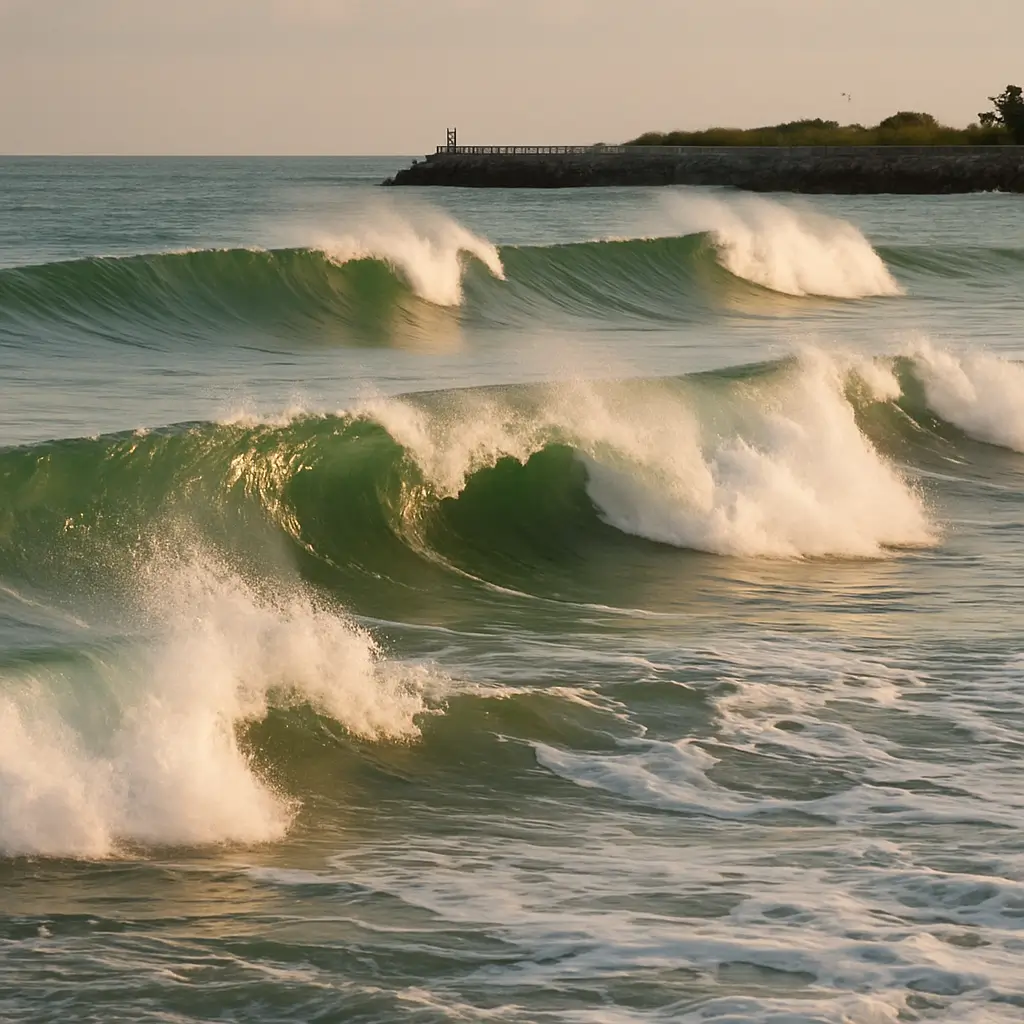
Sebastian Inlet (The Icon)
Sebastian Inlet remains Florida’s most respected high-performance wave. On solid northeast swell with the right tide window, it delivers fast, pitching peaks that reward precise positioning and confident takeoffs.
Crowds are a given, and local etiquette matters. This is not a casual paddle-out spot, but when it’s working, it defines East Coast surfing at its best.
New Smyrna Beach (The Consistent One)
New Smyrna earns its reputation through frequency rather than perfection. The sandbars here produce rideable waves more often than most Florida beaches, making it a reliable option when swell energy is limited.
It’s also one of the most analyzed breaks in the state, partly due to its well-documented shark activity. Incidents are typically minor, but awareness and situational judgment are part of surfing here.
Cocoa Beach (The Accessible Classic)
Cocoa Beach favors longboards, clean lines, and approachable conditions. The wave energy is usually softer, but consistency and ease of access make it a staple for travelers who want guaranteed water time.
It’s not a destination for critical barrels, but it remains an honest reflection of Florida’s everyday surf reality.
The “Florida Curse”: Living with Inconsistent Swells
Florida’s geography works against consistency. The Bahamas act as a natural swell filter, blocking much of the long-period energy that powers more reliable surf regions.
The result is familiar to anyone who has spent time here: multiple days where the ocean looks more like a lake than a surf zone.
Experienced surfers accept this reality. Smart ones adapt to it.
How to Save Your Trip When the Ocean Goes Flat
When the surface stops moving, Florida’s value shifts below the waterline.
Clear conditions, calm seas, and minimal surge create ideal windows for underwater exploration — especially along reefs, bridges, and coastal structures that are often overlooked by wave-focused travelers.
Instead of checking surf cams on repeat, many experienced watermen pivot.
Swap the Board for the “Underwater Jet”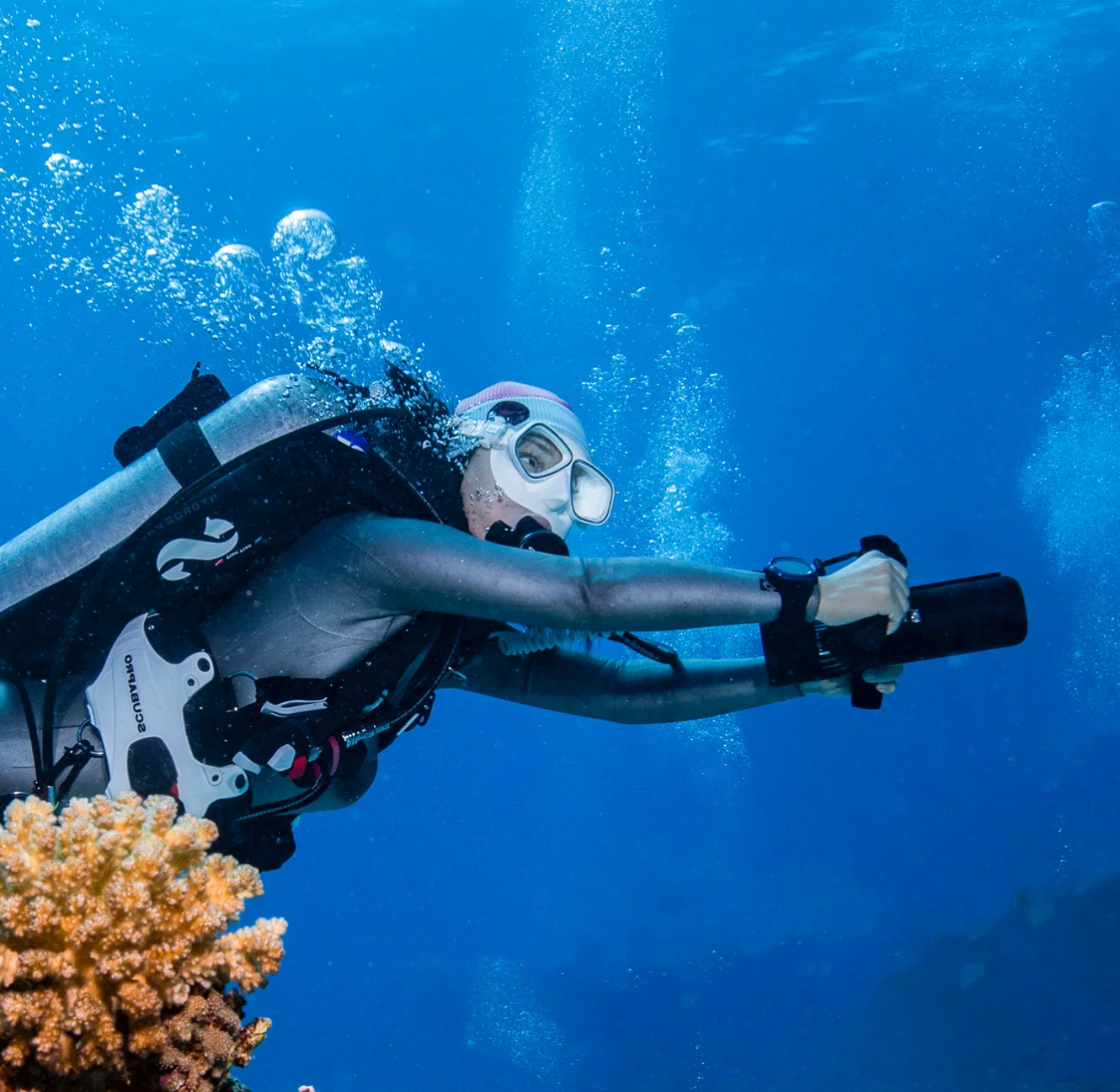
This is where the Tedgix K5 specifically solves the traveler’s dilemma.
Unlike bulky sea scooters that require special shipping cases, external batteries, or checked baggage, the K5 was engineered around a hard constraint: it must fit in a backpack and still deliver meaningful underwater propulsion.
On flat days, the K5 transforms underwater sessions from passive drifting into controlled movement. Its power-to-weight ratio allows you to cover reef lines, work against mild currents, and explore further than fin-only snorkeling ever allows — without feeling like you’re dragging a toy through the water.
For experienced snorkelers and freedivers, this is the difference between floating and flying.
Just as importantly, the K5’s modular architecture allows different configurations depending on the session. With appropriate mounts, propulsion is no longer limited to constant hand use — freeing your body position and reducing fatigue during longer explorations.
Why the Tedgix K5 Is Essential Travel Gear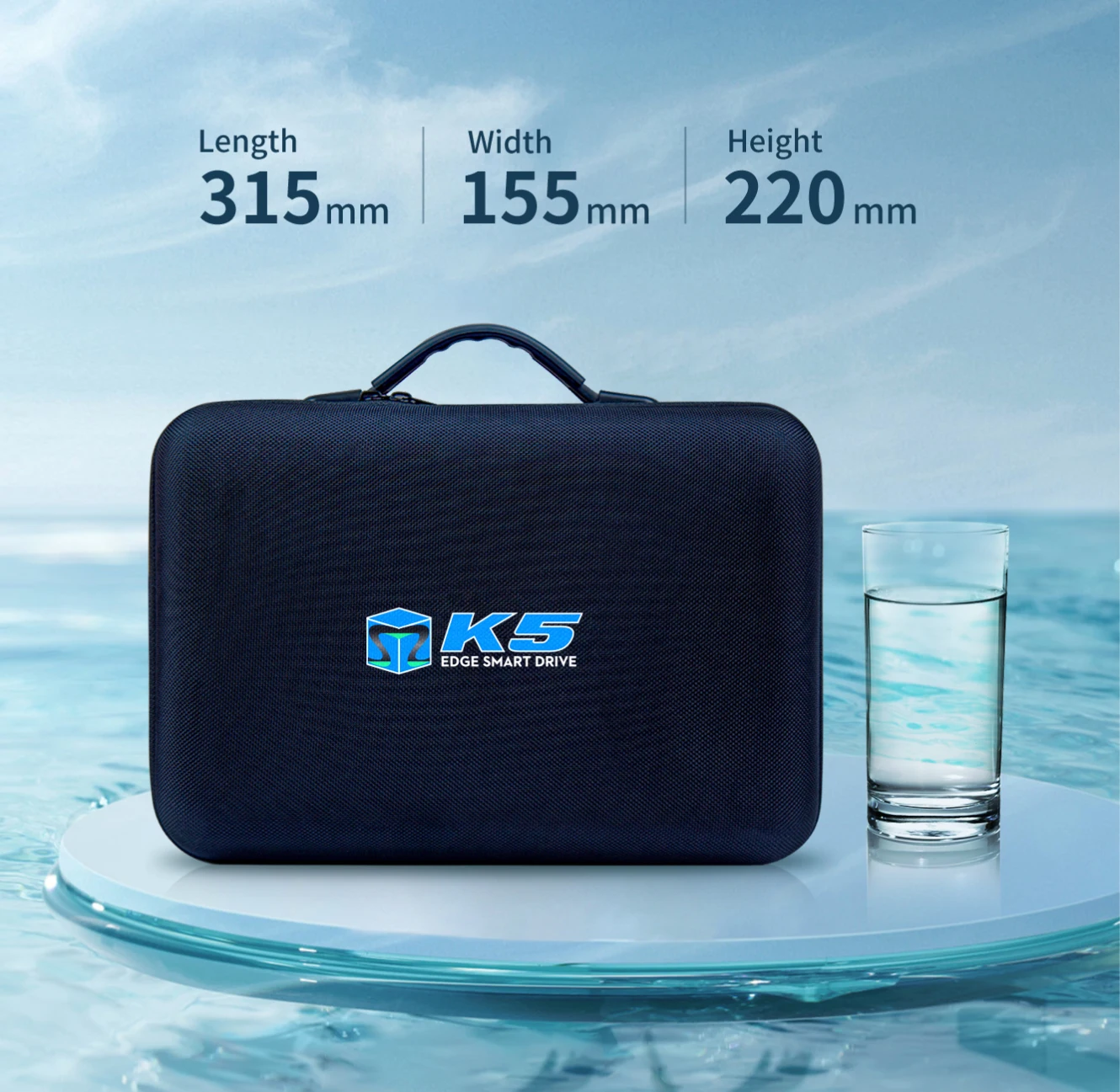
Surfboards come with baggage fees.
Traditional sea scooters come with restrictions.
The Tedgix K5 avoids both.
-
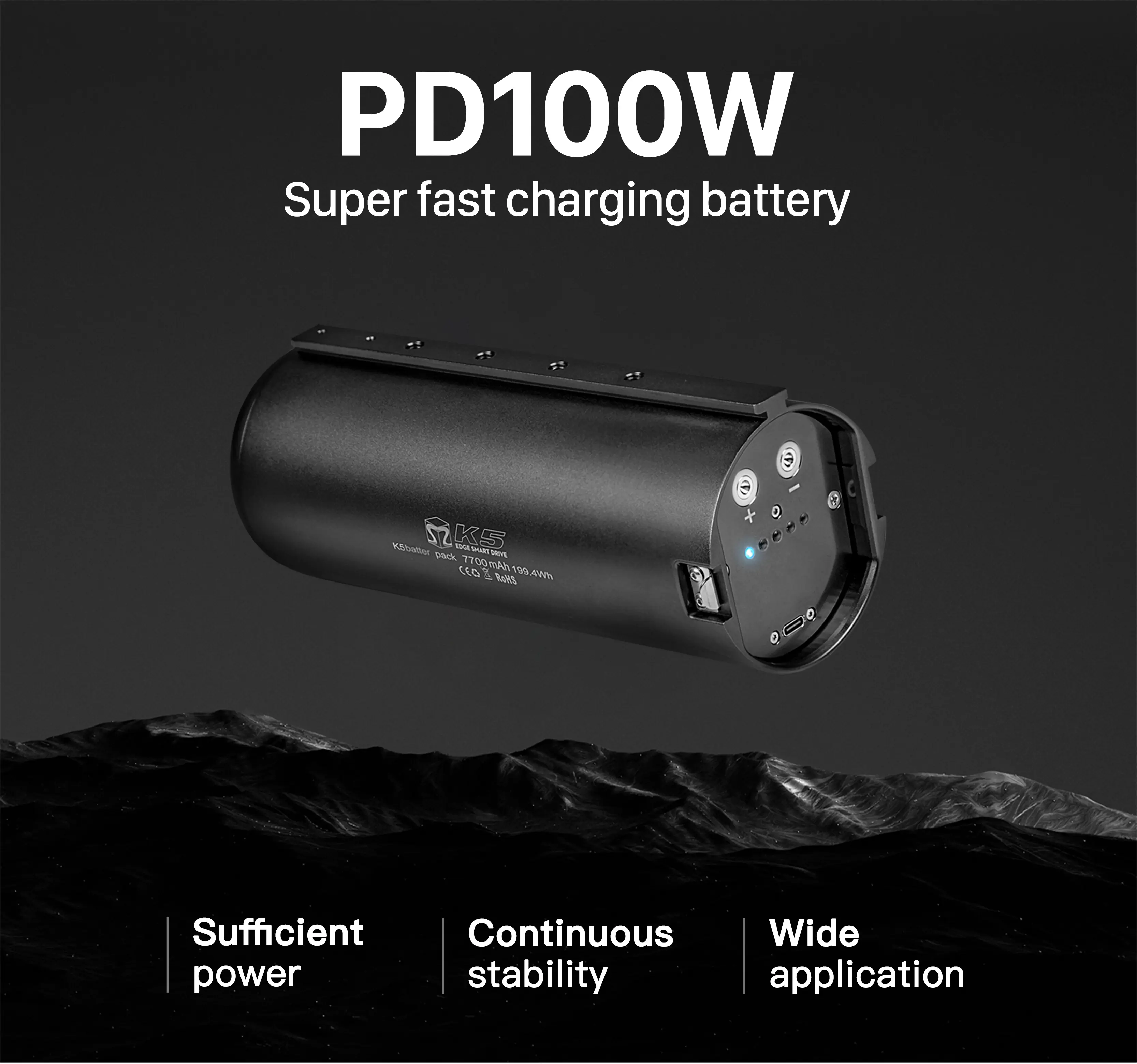
Airline-compliant battery modules (<100Wh)
-
Modular design that breaks down into carry-on-sized components
-
No rental counters, no paperwork, no return deadlines
While other travelers are stuck at the oversized baggage counter paying $150 in fees — or waiting for dive shop rentals to open — you walk straight through TSA with the K5 in your carry-on.
That freedom changes how you plan trips. You don’t schedule underwater time around logistics. You take it when conditions are right.
This is not about convenience.
It’s about control.
Best Places to Use Your Scooter Near Surf Breaks
Phil Foster Park (Blue Heron Bridge)
Few locations showcase Florida’s underwater diversity like Blue Heron Bridge. During slack tide, the area offers exceptional visibility, dense marine life, and complex structure.
A scooter allows you to move efficiently between bridge spans, hold position in light current, and extend exploration range without exhausting long surface swims.
The Florida Keys Reefs
The Keys reward mobility. Shallow reef systems stretch far beyond easy fin range.
With a compact underwater propulsion system, you’re no longer confined to one coral head. You move dynamically — adjusting depth, direction, and pace as conditions evolve throughout the session.
 Conclusion: Pack for Both Worlds
Florida rewards versatility.
The best trips aren’t built around chasing one perfect swell. They’re built around understanding what the ocean offers on any given day — above or below the surface.
Morning surf when it’s firing.
Afternoon underwater exploration when it’s not.
That dual approach is how experienced travelers extract maximum value from Florida’s coast.
Pack accordingly.